Worried About Hair Loss?
According to the International Institute Of Dermatology, hair loss, also known as alopecia, is a common condition that affects millions of people worldwide. It can occur for a variety of reasons, including genetics, age, hormonal changes, medications, and medical conditions. In this overview, we will discuss the different types of hair loss, their causes, and potential treatment options.
Androgenetic alopecia
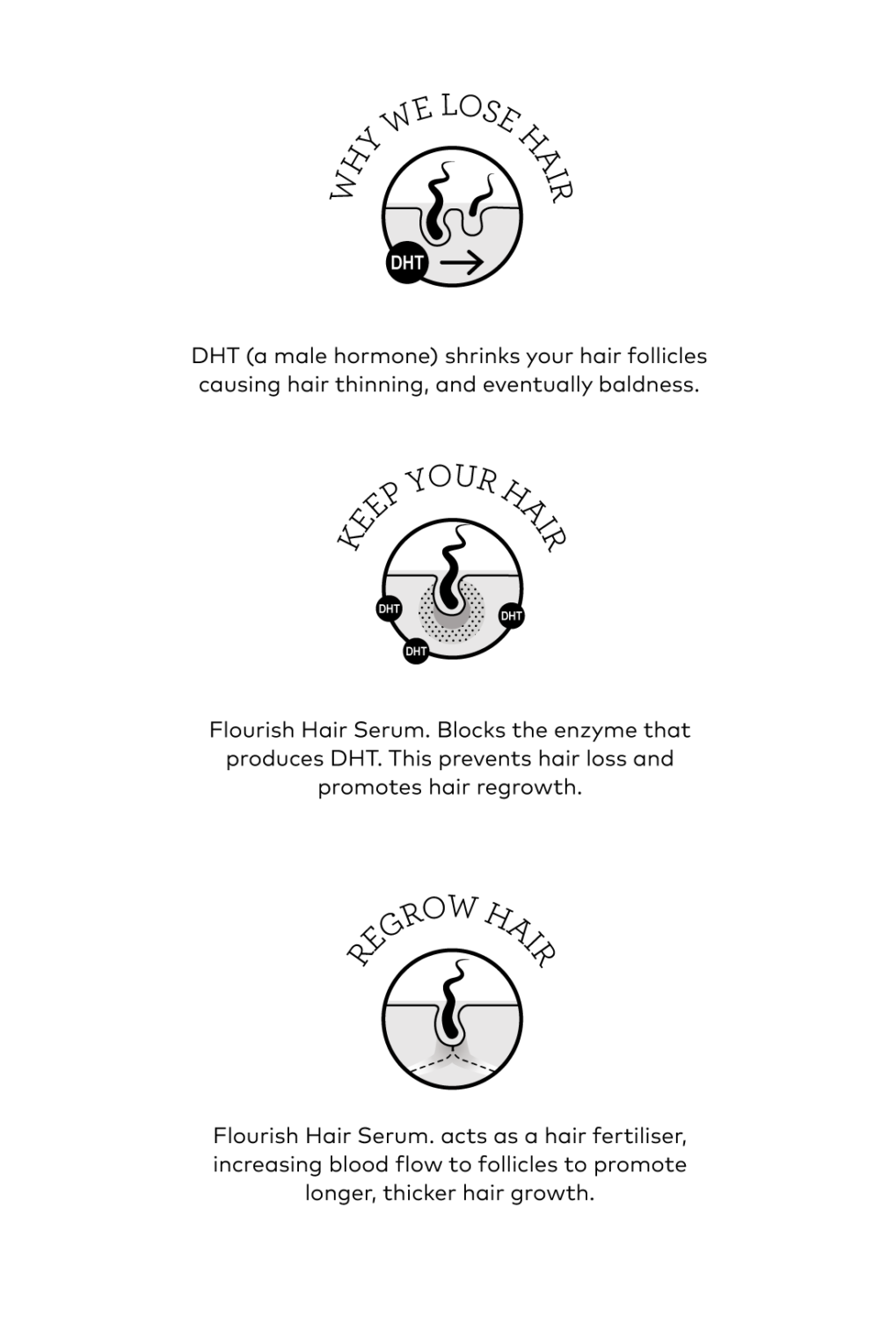
This is the most common form of hair loss, affecting both men and women. It is caused by a genetic predisposition to hair follicle sensitivity to dihydrotestosterone (DHT), a hormone that shrinks hair follicles, causing them to produce thinner and shorter hair until they stop producing hair altogether. Androgenetic alopecia typically starts with a receding hairline in men, while women may notice thinning of hair on the crown.
Telogen effluvium
This type of hair loss occurs when there is a sudden shock or stress on the body, such as a surgery, childbirth, or a high fever. This shock can cause hair follicles to enter the telogen phase prematurely, which is the resting phase of the hair growth cycle. The hair may fall out in clumps several months after the shock or stressor event, but typically grows back within a few months.
Alopecia areata
This autoimmune disorder causes the body’s immune system to attack hair follicles, resulting in hair loss on the scalp and other areas of the body. This condition can occur at any age and affects both sexes equally. It can be triggered by emotional or physical stress, but the exact cause is unknown.
Traction alopecia
This type of hair loss is caused by excessive pulling or tension on the hair, often due to tight hairstyles like braids, cornrows, or ponytails. It typically affects the hairline and temple areas, and can be prevented by avoiding tight hairstyles and using gentle hair care practices.
Medication-induced hair loss
Certain medications can cause hair loss as a side effect, including chemotherapy drugs, blood thinners, and some antidepressants. Hair typically grows back once the medication is stopped.
Scarring alopecia
This type of hair loss is caused by inflammation and scarring of the hair follicles, resulting in permanent hair loss. It can be caused by several conditions, including infections, autoimmune disorders, and certain skin conditions.
Treatment options for hair loss depend on the type and underlying cause. For androgenetic alopecia, medication like finasteride and minoxidil can help slow or reverse hair loss. Hair transplant surgery is also an option for those with more advanced hair loss. For telogen effluvium, treating the underlying condition and reducing stress can help hair regrow. In some cases, corticosteroid injections or topical immunotherapy can help treat alopecia areata. In scarring alopecia, treatment is focused on reducing inflammation and preventing further hair loss.
In conclusion, hair loss can occur for a variety of reasons and can have a significant impact on a person’s self-esteem and quality of life. If you are experiencing hair loss, it is important to speak with a medical professional to determine the underlying cause and explore potential treatment options.
Meet Our Expert
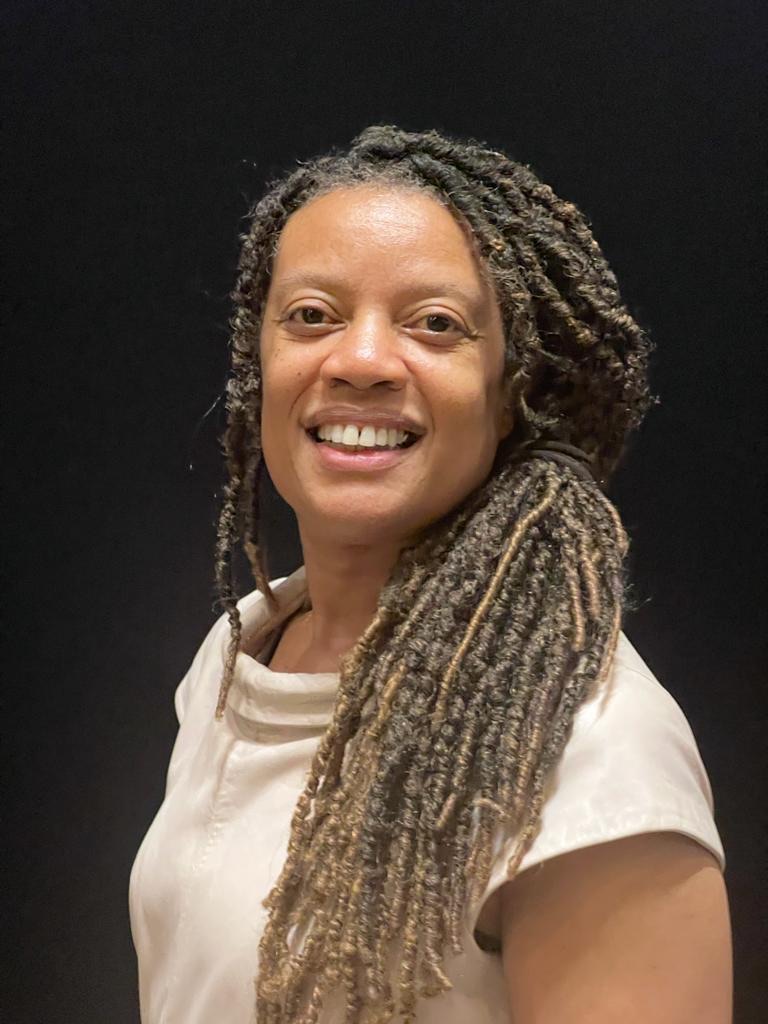
Shirley McDonald is a highly respected and experienced trichologist specialising in hair loss treatment for women. With years of expertise and a deep passion for helping individuals regain their confidence, Shirley has become a trusted name in the field. As a trichologist, she possesses a comprehensive understanding of the scalp, hair follicles and the intricate factors that contribute to hair loss. Shirley’s personalised approach to consultations allows her to assess each client’s unique needs and develop tailored solutions. She takes the time to listen attentively to everyone’s concerns, providing compassionate support and guidance throughout their hair loss journey.
She stays up to date with the latest advancements in trichology and hair loss treatment for women and men alike, enabling her to offer the very best in hair care regimens. Her dedication to client wellbeing, combined with her extensive knowledge and expertise, make Shirley a highly sought-after trichologist and a guiding light for those seeking to address their hair loss concerns.
Fill in the form below to book in your consultation with Shirley and discuss your concerns.
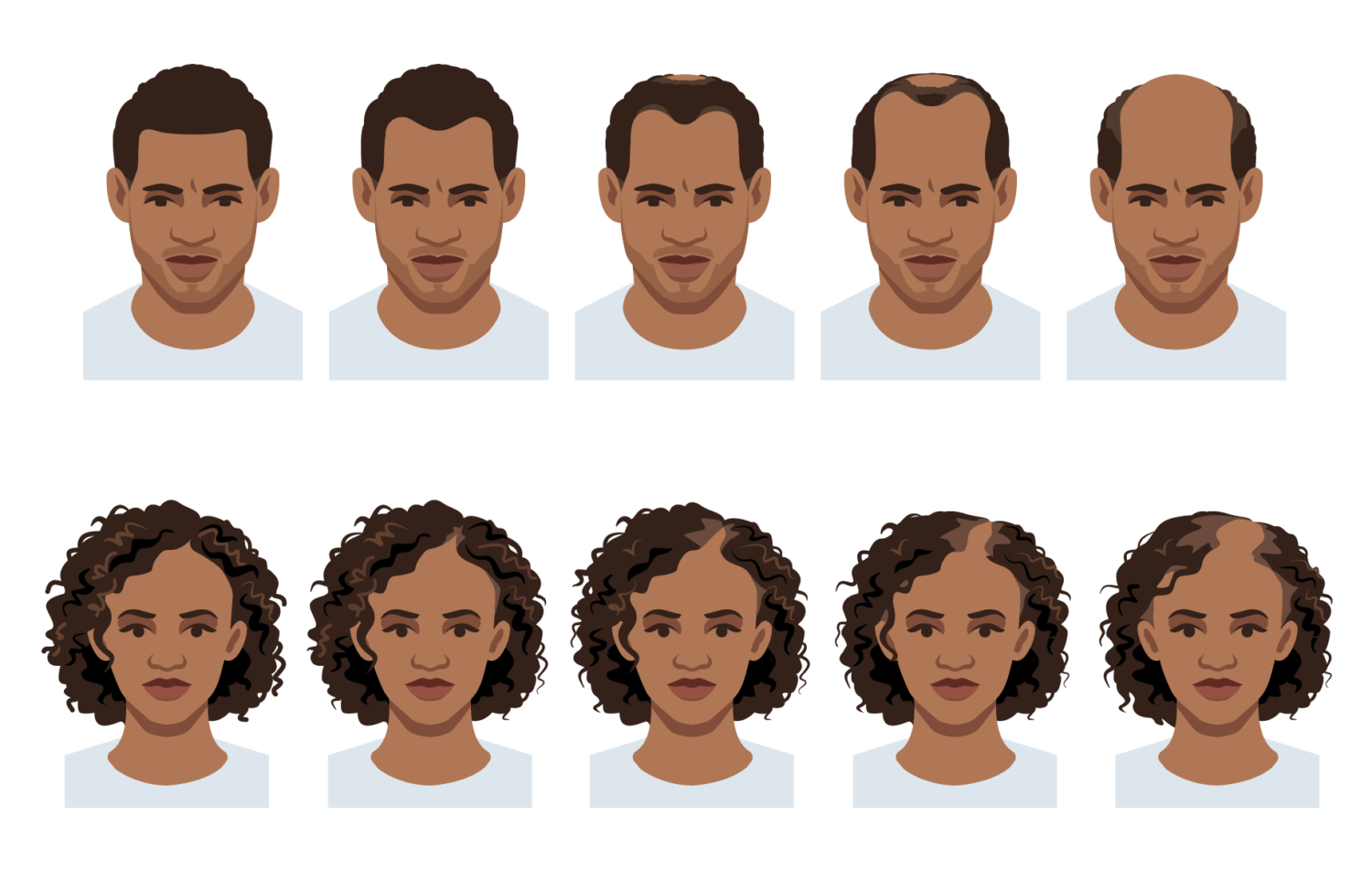
Hair Loss In Black Women
Hair loss is a significant issue for many black women, with studies showing that up to 50% of black women experience hair loss at some point in their lives. Here are some additional facts and statistics related to hair loss in black women:
The most common type of hair loss in black women is traction alopecia, which is caused by tight hairstyles such as braids, weaves, and extensions. Black women are also more likely to experience central centrifugal cicatricial alopecia (CCCA), a type of scarring hair loss that begins at the crown of the scalp and spreads outward.
Chemical relaxers, which are commonly used to straighten black hair, can also cause hair damage and breakage if not used correctly.
Black women spend an estimated $2.5 billion annually on hair care products, yet hair loss remains a prevalent issue. The cultural significance of hair in the black community can add to the emotional toll of hair loss, making it a deeply personal and often stigmatised issue.
Hair loss in black women can be caused by a combination of genetic factors, underlying medical conditions, and hair care practices.
Treatment options for hair loss in black women may include lifestyle changes, topical medications, hair transplant surgery, and scalp micropigmentation. The Black Women’s Health Study, which is an ongoing study focused on the health of black women in the US, has found that hair relaxer use is associated with an increased risk of uterine fibroids, highlighting the potential health risks associated with certain hair care products.
Overall, hair loss is a significant issue for many black women and it is important to raise awareness about the causes and treatment options available. Healthcare providers should be aware of the unique challenges facing black women with hair loss and provide culturally competent care to address their concerns.
How Does Flourish Restore Hair Growth?
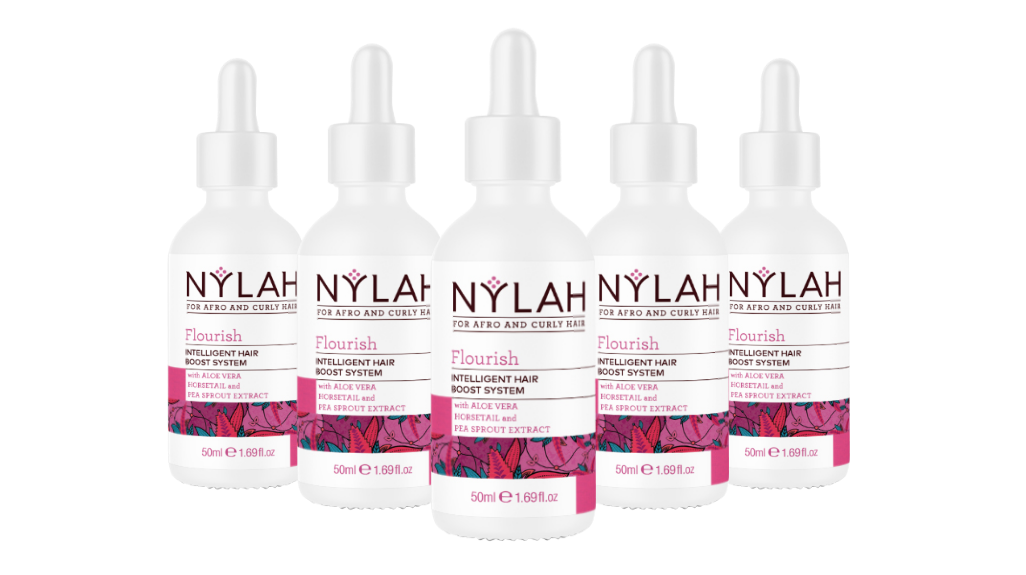
Flourish scalp serum contains DHT blocking containing clinically proven actives which have been proven to be effective in promoting hair growth by targeting the root cause of hair loss. DHT, a hormone derived from testosterone, is known to cause hair follicles to shrink, leading to thinning and hair loss. By blocking the production of DHT or reducing its effects on the hair follicles, Flourish can help to maintain or restore the hair growth cycle. The clinically-proven actives in these serums may been have been shown to inhibit the enzyme that converts testosterone to DHT, and minoxidil, which is a vasodilator that increases blood flow to the hair follicles, promoting hair growth.
DHT blocking serums containing clinically proven actives can be effective in promoting hair growth by targeting the root cause of hair loss. DHT, a hormone derived from testosterone, is known to cause hair follicles to shrink, leading to thinning and hair loss. By blocking the production of DHT or reducing its effects on the hair follicles, these serums can help to maintain or restore the hair growth cycle. The clinically-proven actives in these serums may include ingredients such
What Is The Hair Growth Cycle?
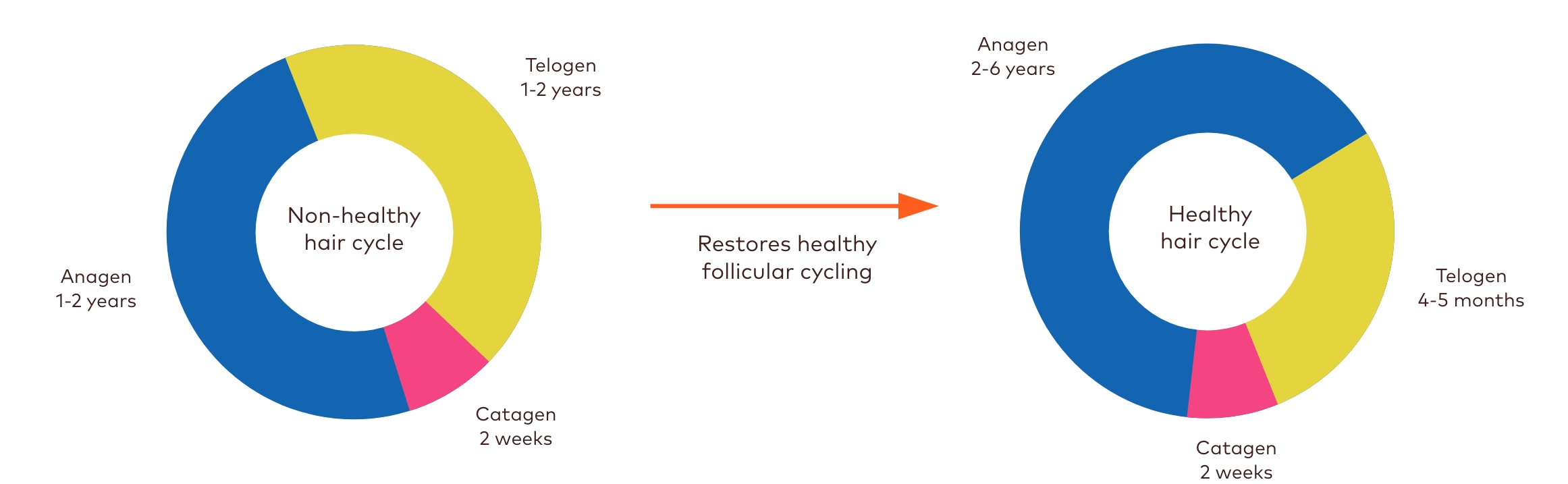
The hair growth cycle consists of three main stages: anagen, catagen, and telogen. During the anagen phase, which can last anywhere from two to seven years, the hair follicle actively grows and produces new hair. In the catagen phase, which lasts for about two weeks, the hair follicle begins to shrink and detach from the dermal papilla, the structure that supplies nutrients to the hair follicle. Finally, during the telogen phase, which lasts for about three months, the hair follicle remains dormant and the hair shaft falls out. This phase is also known as the resting phase. After the telogen phase, the hair follicle re-enters the anagen phase, and the cycle starts again.
On average, individuals lose about 50 to 100 hairs per day as part of the normal hair growth cycle. However, disruptions to the hair growth cycle, such as hormonal changes, can lead to abnormal hair loss. Flourish hair serum helps to promote healthy follicular cycling.
The Solution
A textured hair care system specifically formulated for Afro hair needs. Clinically-proven to be more effective than minoxidil.